
More navigation links → swipe or scroll
Asphalt tonnage calculator (free asphalt ton calculator)
Free asphalt tonnage calculator for driveways, parking pads, and paving jobs. Enter length, width, and thickness to estimate how many tons of hot mix asphalt to order.
Find something useful for your next project
Measure before you order. Sealcoating tools are for an existing asphalt surface, not for placing hot mix. Follow the sealer label for cure time and conditions.
 Komelon MK3112 measuring wheel
Measure driveway length and width before entering your dimensions.
See this on Amazon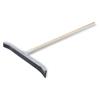 MARSHALLTOWN 36-inch asphalt squeegee
Curved neoprene blade for spreading sealer on existing asphalt.
See this on Amazon BOSCH GLL50-20G laser level
Green cross-lines for layout and alignment. Check the manual and beam visibility before outdoor work.
See this on Amazon OLIGHT Oclip Pro — Orange
USB-C rechargeable clip-on light with flood, spot and red modes; magnetic mounting for hands-free tasks.
See this on Amazon Gemplers Pure EZ asphalt release agent
Release agent for dump beds, rollers and tools—not driveway sealer. Follow the product label and safety directions.
See this on Amazon Red Devil 0637 asphalt crack filler
Cold-applied acrylic cartridge filler for small asphalt/blacktop cracks. Not a hot-melt block; follow label limits.
See this on Amazon Pavemade HOTBOX 10 hot-pour repair kit
Melter/applicator kit with six rubberized hot-pour filler blocks. Follow equipment and material instructions and required protection.
See this on AmazonAs an Amazon Associate, AsphaltTons.com earns from qualifying purchases. These are paid links; check product details and suitability on Amazon.
How to calculate asphalt tonnage
Asphalt is ordered by the ton. This asphalt calculator converts your paved area and thickness into cubic feet, multiplies by compacted density, and divides by 2,000 to get US tons. Full details are on our methodology page.
Formula: Tons = Length (ft) × Width (ft) × (Thickness in inches ÷ 12) × Density (lb/ft³) ÷ 2000. Then add waste (often 5–10%) for edges and waste.
- Driveway asphalt calculator: use your driveway length and width, typical thickness 2–3 inches — or open the dedicated driveway tool.
- Hot mix asphalt density: ~140–150 lb/ft³; 145 is a common planning default — confirm with your plant.
- Asphalt cost calculator: enter your local price per ton for a material-only estimate (not labor or prep). Planning ranges: asphalt cost per ton.
- Base stone: estimate crushed stone under the asphalt with the asphalt base calculator.
- Trap rock: estimate dense crushed trap rock for gravel drives with the trap rock driveway calculator.
- Rainfall runoff: estimate roof and driveway storm gallons with the roof runoff calculator and driveway runoff calculator (planning only).
More free driveway calculators
- Asphalt driveway calculator cost — tons + material $
- Asphalt millings calculator
- Gravel calculator for driveway / base
- Driveway sealer calculator (gallons)
- Rainfall roof runoff calculator (rainwater gallons)
- Driveway rainfall runoff calculator (asphalt storm gallons)
- Driveway slope / pitch calculator
- Pressure washing driveway cost calculator
- Asphalt price calculator (planning $/ton)
- How to calculate asphalt tonnage (tables)
American asphalt calculator defaults use U.S. tons and feet/inches. Built for paving project planning — confirm plant density and truck minimums.
Asphalt calculator FAQ
How many tons of asphalt do I need?
Multiply area (ft²) by thickness in feet (inches ÷ 12), multiply by density (often 145 lb/ft³), divide by 2,000. Add 5–10% waste. This tool does that instantly. See size examples on how many tons of asphalt.
How thick should driveway asphalt be?
Many residential driveways use about 2–3 inches of compacted hot mix over a proper base. Follow your contractor or local specs.
Does this include labor cost?
No. Cost per ton here is material only. Full job cost also includes prep, base, labor, haul, and tax.
Is AsphaltTons.com free?
Yes. No signup. Estimates are for planning — confirm density, truck minimums, and pricing with your supplier.